
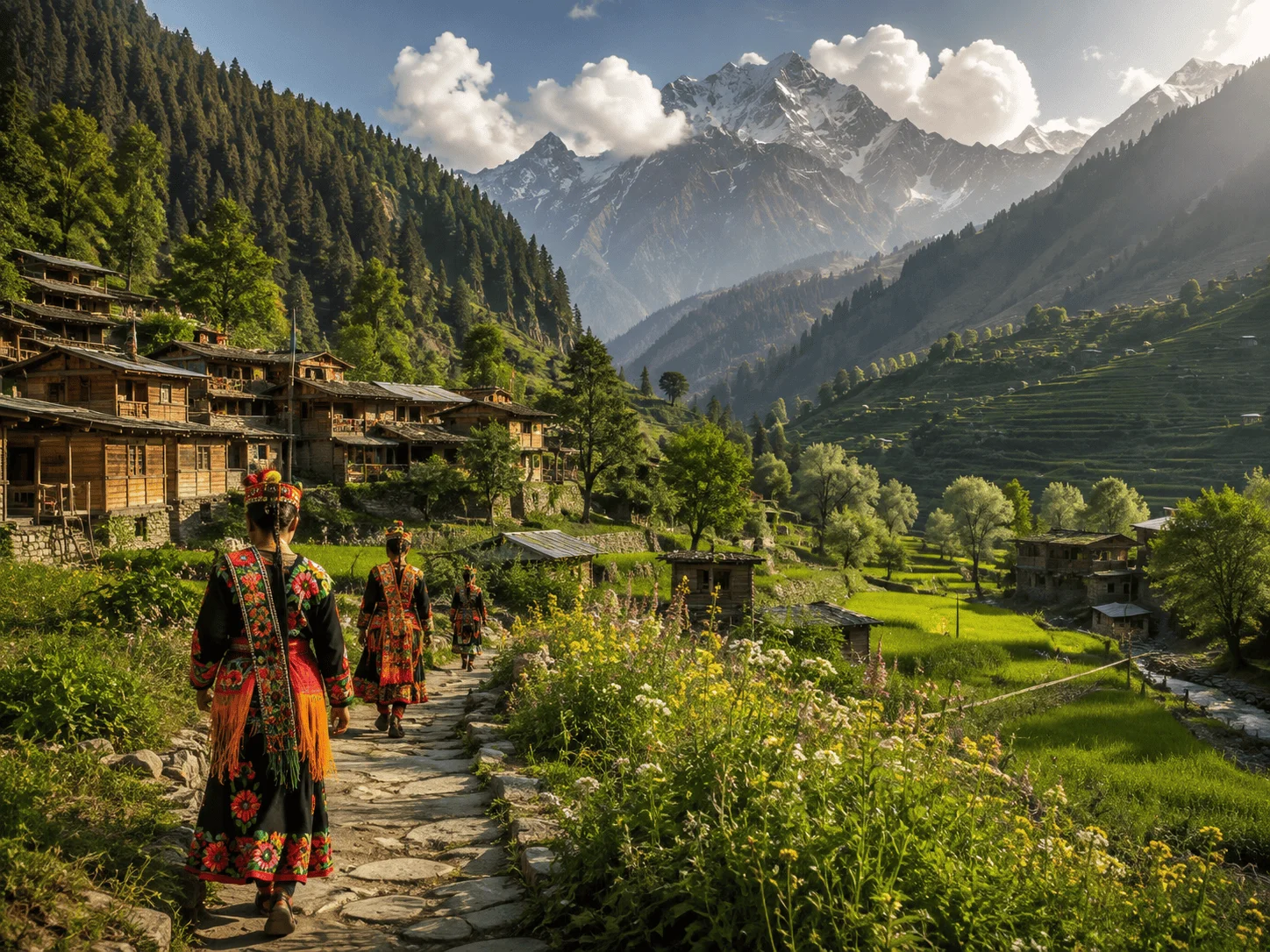
Community & Cultural Ethics
Chitral and its surrounding valleys are home to diverse communities with distinct traditions. Respect for local customs is the foundation of every journey.
PHOTOGRAPHY & PRIVACY
Always ask for permission before photographing individuals or private property. In many areas, residents value their privacy highly. A simple request fosters respect and better interaction.
KALASH CULTURAL RESPECT
The Kalash Valleys have a unique and living heritage. Visitors are guests in these valleys and should adhere to local guidance regarding sacred spaces and festival etiquette.
Environmental Stewardship
Mountain ecosystems are fragile and recover slowly from impact. We follow "Pack It In, Pack It Out" principles on all our treks.
- WASTE MANAGEMENT: All non-biodegradable waste is carried back to managed disposal points.
- WATER PROTECTION: We use biodegradable soaps and ensure washing activities take place away from primary water sources.
- WILDLIFE: We travel through critical habitats for species like the Markhor and Snow Leopard. We maintain a respectful distance and never disturb wildlife for sightings or photography.
Supporting the Local Economy
We believe in the appropriate use of local services. By hiring local guides, porters, and utilizing valley guesthouses, your travel directly contributes to the sustainability of mountain communities.
FAIR PAY: We ensure fair wages and appropriate equipment for all our local support teams, from high-altitude porters to jeep drivers.
Frequently Asked Questions
What is the most important rule for cultural respect?
How do I handle waste on a trek?
Are there specific rules for visiting the Kalash?
Will I see Snow Leopards or Markhor?
How does my trip help the local community?
Is it okay to give gifts to children?
Key Planning Considerations
- Respecting local cultural norms & privacy
- Ethical photography & community interaction
- Environmental stewardship & waste management
- Supporting the local mountain economy