Season-by-Experience Matrix
GENERAL CHITRAL TRAVEL: Ideal for road journeys, town visits, valley cultural interaction, and photography.
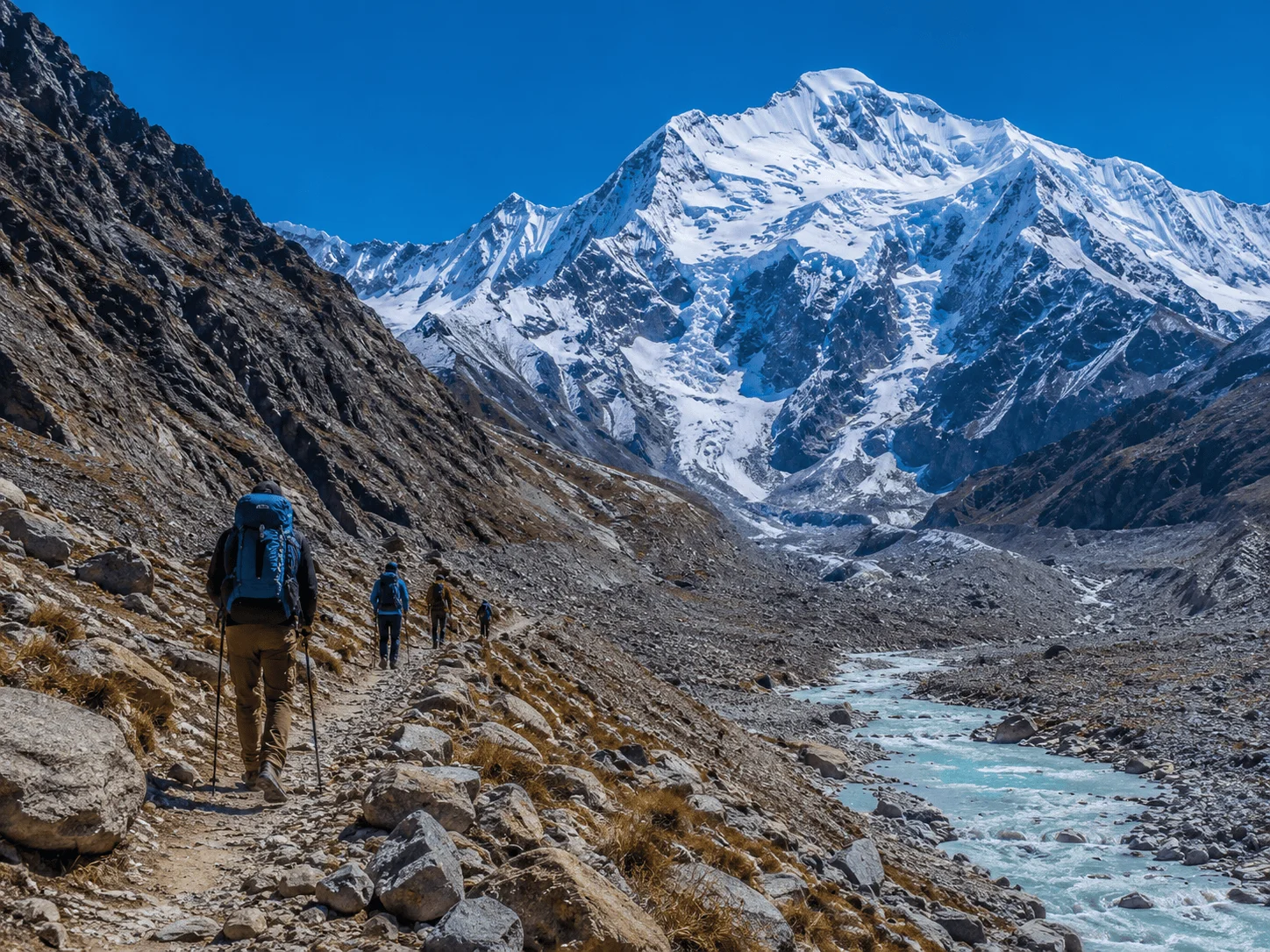
TREKKING: Depends on trail conditions, snow levels, river crossings, and altitude.
EXPEDITIONS: Focus on high-altitude windows, acclimatization, and mountain weather.
WILDLIFE: Habitat and species observation conditions vary significantly by season.
WINTER TRAVEL: Requires flexibility for snow and short daylight.
Seasonal Overview
SPRING
Characterized by thawing valleys and changing mountain conditions. Suitable for valley travel and cultural exploration.
SUMMER
High-altitude accessibility. Prime window for trekking and major expeditions.
AUTUMN
Clear, cooler mountain air. Ideal for valley photography and low-altitude trekking.
WINTER
Snow-covered landscapes, specialized travel, road flexibility needed.
The Destination Matters as Much as the Month
Elevation, road access, and the purpose of your journey mean conditions differ between destinations like Chitral, Shandur, and Broghil.
Frequently Asked Questions
What is the best time to visit Chitral?
When is the best time for trekking?
When should I plan a Hindu Kush expedition?
Can I visit Chitral in winter?
When should I plan wildlife photography?
Are festival dates the same every year?
Key Planning Considerations
- Peak trekking window: June–September
- Valley festival access: Summer
- Low-altitude valley travel: Spring/Autumn
- Winter: Specialized snow adventures